












































Negative body image: Barbie & “generalized melancholy”

Barbie blues
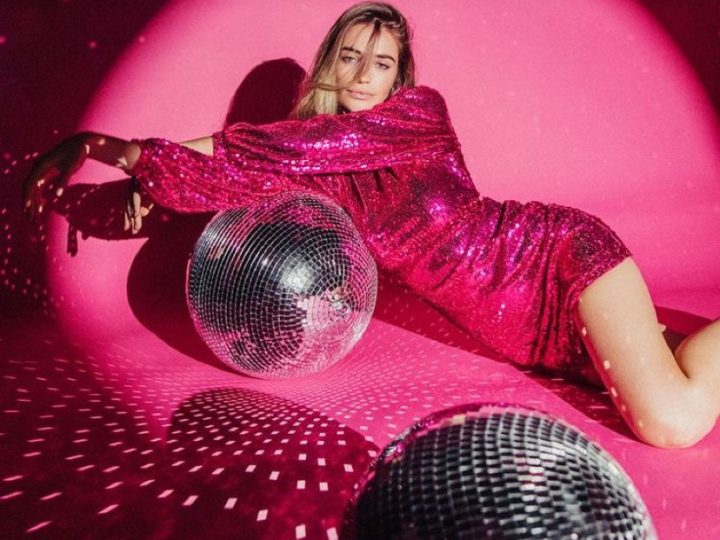
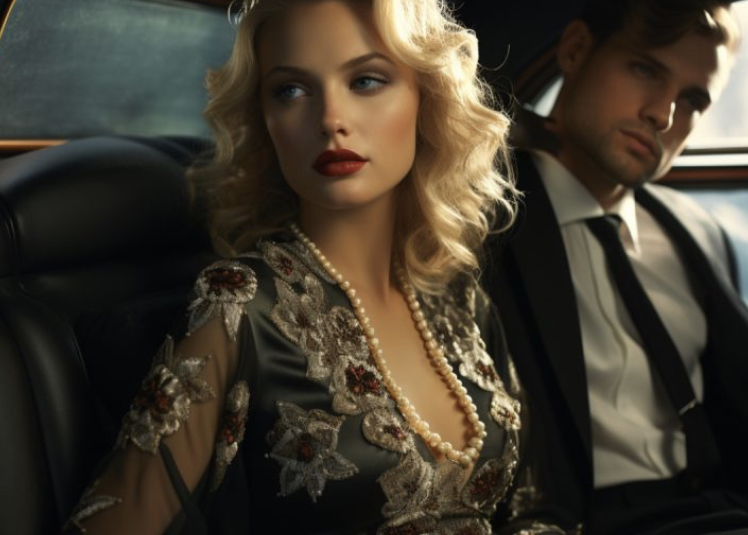
In her celebritysatan.com post “Celebrity Concept As Barbie Doll” the author, Katie, brings up the potential emotional health consequences of our culture’s untiring emphasis on the sort of standard of beauty shown by… blonde centerfolds [such as Hugh Hefner's companions "The Girls Next Door"], and so often seen on tv, in films and magazines.
Generalized melancholy
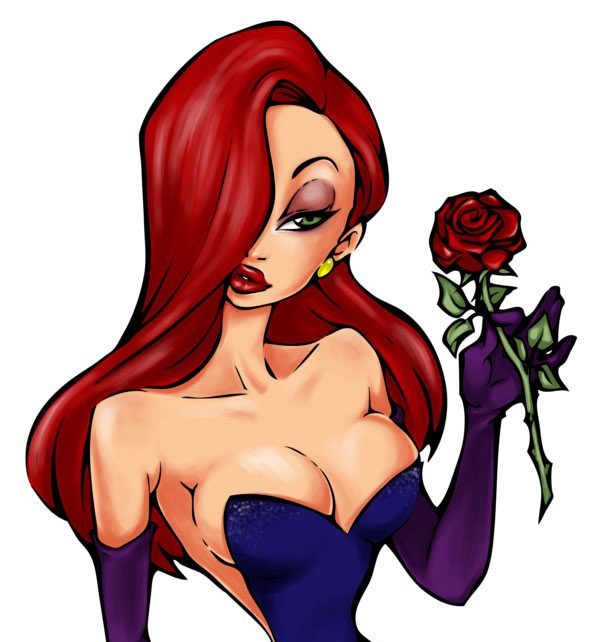
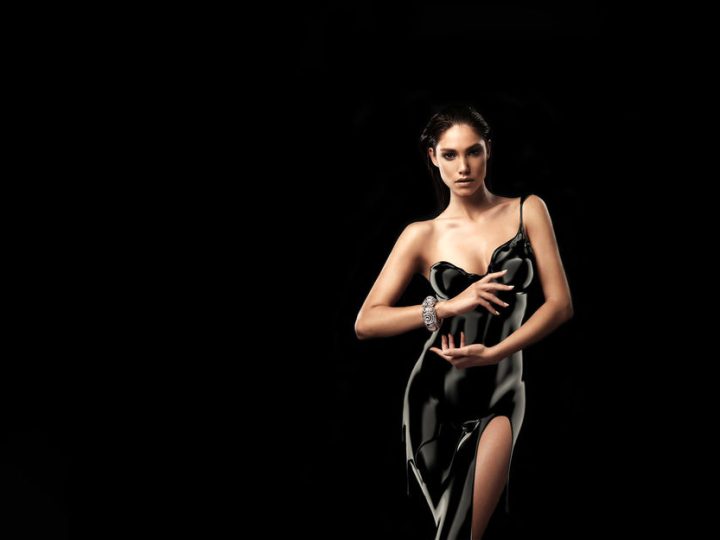
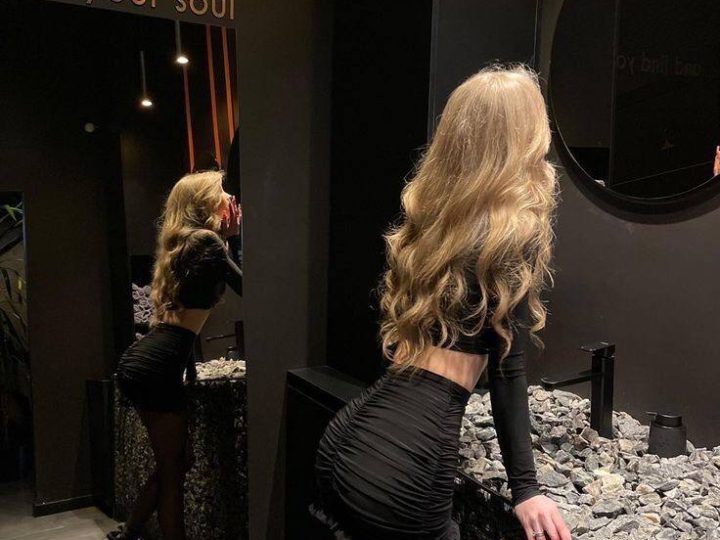
“As you know,” she writes, “the whole trip with the Barbie phenomenon is a skinny blond girl with a ridiculously narrow waist, perfect button nose, eyes the color of the Mediterranean sea, full lips, flowing blond hair (Prell?) and big perfect boppers… some have argued that this is just the type of idealized (and largely unattainable… via natural means at least) image that has lead to a considerable amount of grief and general melancholy… we tend to forget what I have dubbed “generalized melancholy,” but this is a concept that I’m trying to popularize in my new book… the idea of a generalized melancholy is a demeanor found persistent in most of ones waking moments… one doesn’t necessarily need to suffer from acute depression, anxiety, or a psychological malady/aberration such as an eating disorder to have a chronic minor glumness…”
What women ’should’ look like
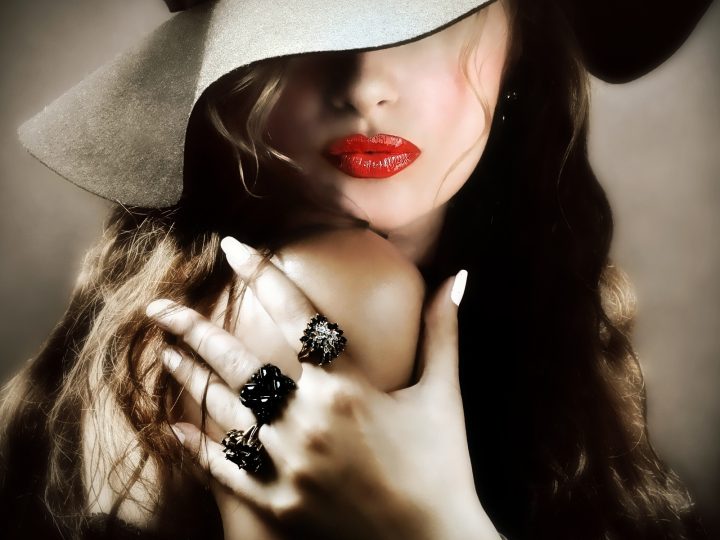
There is, of course, nothing inherently wrong with the Barbie look, whether you have it naturally, or want to gain it through cosmetic enhancements. But it has become almost archetypal – so ubiquitously promoted in film and tv, magazine and billboard ads, it has become a kind of de facto standard of what women “should” look like in order to be “truly” beautiful and successful, especially in an entertainment related career.
So what do you really look like? And how do you feel about yourself and life if you can be ok with that look you naturally have?
~ ~
Related article: The Dark Side of Beauty, by Douglas Eby
Related pages:
Body image
depression and creative expression
depression: teen/young adult
Identity
~~
acting and image, female stereotypes in hollywood, hollywood body image, body image and depression
- Body image and self-esteem: Courtney Martin on Perfect Girls, Starving Daughters
- Negative body image – Salma Hayek: “Being short was considered a deformity.”
- Acting and image: The dark side of beauty
- Improving body image: The dark side of implants
- Janet Jackson on her negative body image
Comment | Trackback


May 6th, 2007 at 11:55 am
I just joined blogspot about a month ago and have been doing some searches in blogspot regarding Barbie dolls. I’ve read over your comments and am glad that yours aren’t entirely negative regarding Barbie dolls and their influence on pop culture.
My sisters and I played with Barbie and family dolls in the late 60s and early 70s (I was born in 1961, if you are wondering my age). I was a very homely child and am even now what most people would consider somewhat less-than-average looking.
I started collecting Barbie and family dolls in the early 1980s, after I got out of college. The hobby was something I had fantasized about since I was a little girl. I own hundreds of the dolls now.
I’ve said for years that not once has a Barbie doll, character in a book, TV or movie character, and person in the Bible (you know, all the folks that people usually blame for screwing up their psyches) ever insulted me or made me feel unworthy. Plenty of real-live people have insulted me, though, about my looks.
But I would like to mention that collecting Barbie dolls has done some positive things for me that you seldom if ever see mentioned:
1. I’ve learned about the history of American fashion from the 1950s onward.
2. I’ve written to, or met, people from all over the world who collect Barbie dolls, and this was long before the Internet ever existed. On a side note, I’ve acquired Barbie dolls from many different countries, and it’s very educational to see how other nations incorporate their culture into their own country’s dolls.
3. I’ve learned how to bargain and haggle at flea markets.
4. Last but not least, there are many anti-Barbie extreme feminists out there who seem to believe a conspiracy theory that the doll was created for the sole purpose of making several generations of little girls only want to be sex objects or bimbos. I can promise you that the Barbie doll’s creator, Ruth Handler, never ever imagined such a thing when she had the doll designed in the late 1950s. She just wanted to make a three-dimensional version of the paper dolls that her daughter liked. Ruth also had the first Barbie doll designed the way she did not because she and/or society thought the doll’s figure was what women were supposed to look like, but because once you start redressing the doll in layers of clothing, she doesn’t look “fat.”
March 19th, 2010 at 4:27 pm
I don’t like being under someone elses thumb. I’m very supportive of other female artists, especially those trying to make their own statement… trying to do what they want instead of being someone else’s Barbie doll.
August 19th, 2010 at 2:29 pm
I agree with skippercollector in one way – no one set out to influence girls to think their bodies ought to be shaped like Barbie’s. Yet there is plenty of research to say that the influence is there. The research hasn’t been done by rabid feminists either, but by serious academics simply interested to find an answer. It’s worth looking up and reading, just to be informed.